
From the ancient pages of Shan Hai Jing, three mythical beasts stand out as timeless symbols of mystery and charm. They are not just legends—they are the perfect source of inspiration for cultural and creative works, carrying the romance of ancient Chinese mythology and the vitality of modern design.
Kūn (The Cosmic Giant)
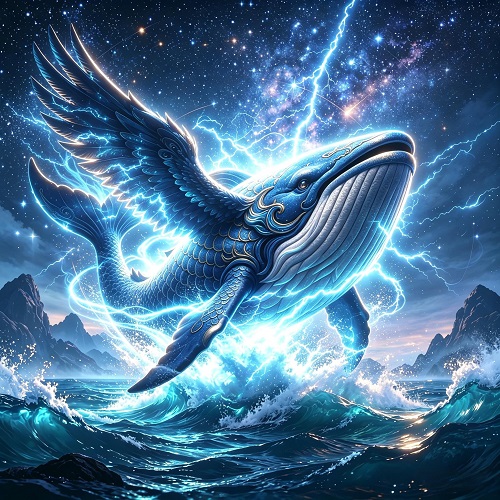
Myth: A colossal fish that stretches thousands of miles across the vast ocean, holding the power to transform into Peng, a giant bird with wings that blot out the sky. It embodies freedom, grandeur, and the boundless imagination of the ancients—from the depths of the sea to the heights of the heavens, it is a symbol of transcendence.
As a cultural creative icon, Kūn represents the pursuit of freedom and the courage to transform. Its majestic form and mythical story can be integrated into designs such as sculptures, prints, and cultural and creative derivatives, bringing the grandeur of ancient mythology into modern life.
Qióng Qí (The Enigmatic Ferocity)
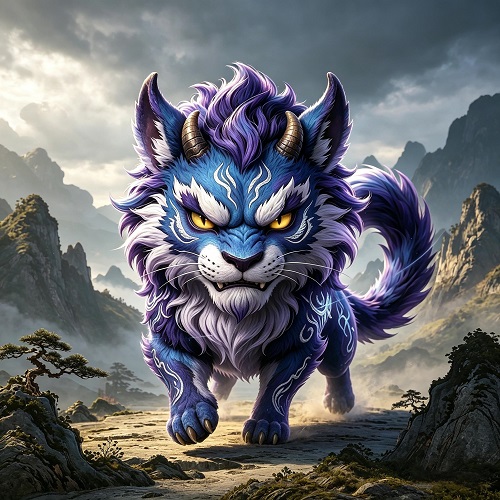
Myth: A fearsome beast with the body of a tiger and the wings of an eagle, sharp claws and a fierce gaze, it is known for its bold and unyielding spirit. Though often described as a “malevolent” creature, it carries a unique charm of strength and mystery, a symbol of fearlessness and individuality.
For cultural and creative creation, Qióng Qí’s striking appearance—tiger’s body, eagle’s wings—is a natural inspiration. Its bold lines and mysterious aura are perfect for trendy designs, such as accessories, apparel prints, and creative toys, catering to those who pursue uniqueness and personality.
Tāo Tiè (The Symbol of Abundance)
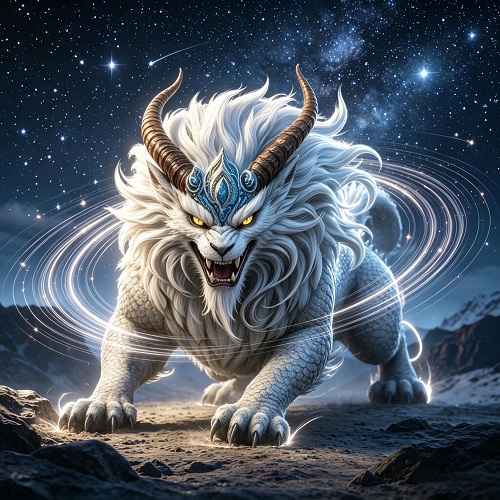
Myth: A legendary beast with a distinct face and no body, famous for its insatiable desire for goodness and abundance. Beyond the metaphor of “greed,” it has evolved into a symbol of prosperity, harvest, and the longing for a rich and fulfilling life in traditional culture.
In cultural and creative works, Tāo Tiè’s unique facial features become a recognizable symbol. It can be applied to daily necessities such as tableware, decorative ornaments, and cultural souvenirs, carrying people’s wishes for abundance and happiness, and blending traditional cultural connotations with practicality.
These three mythical beasts from Shan Hai Jing are more than just characters in legends—they are a bridge connecting ancient culture and modern creativity. Each one carries a unique story and charm, waiting to be reborn in diverse cultural and creative works, bringing the beauty of ancient mythology to every corner of life.